PhD students
Education
Our center provides basic research training for students in biology, chemistry, bio-engineering, pharmacy, veterinary science and medicine. Research performed by PhD students is situated within the context of ongoing projects supervised by one of the staff scientists, and offers the opportunity of creative and independent but interactive research. PhD students participate in all research-related activities (unit meetings, weekly lab-meetings, weekly in-house seminars, invited seminars or lectures within the Department), for which English is the standard language.
PhD students are funded through individual fellowships or grants, or by support secured by the group leaders.
Our PhD students are all enrolled into the KULeuven Doctoral School of Biomedical Sciences. The school organizes an advisory committee for every student and evaluations at various time points during the PhD. To obtain a PhD degree, at least one original scientific contribution has to be published in a peer-reviewed international journal.
Our center is committed to provide professional training to students in preparation for a future research career in academia or industry. We are working actively at CCB to help our students develop the following skills:
- Running a research project
Learning how to do research productively, timely and competitively and focus on priorities is of utmost importance for the future success of independent junior scientists. Therefore, postdocs and PhD students are actively stimulated to participate in the conceptual design, reading of the literature, critical interpretation of the data, and resultant planning of the projects. CCB stimulates the formation of “sub-teams” within each individual research group, whereby senior postdocs supervise the work of master students and/or PhD/MD students, offering them the opportunity to run their own micro-lab independently. This also ensures that the maturing PhD/MD student benefits from daily supervision, close interactions and follow-up by more experienced scientists.
- Writing and Reviewing publications
Learning how to seek and acquire funding is essential for the future career of a young independent investigator. PhD students are therefore stimulated, already early in their training at CCB, to participate and contribute to the writing of research grants. This helps them to write, focus their research, and think carefully about their future experiments. To expand their training, students often participate in the writing of reviews and/or editorials. By assisting senior scientists in reviewing papers, they learn how to become appreciative of quality research and critical for their own research.
- Communicating research findings
Equally important is that junior scientists learn how to give presentations and communicate their work to the scientific community. As a policy, participation to international scientific meetings is stimulated and supported (costs of 1 meeting/y are covered). Postdocs and PhD students are regularly offered the opportunity to replace senior scientists at (inter)national meetings. PhD students and postdocs regularly present their data at interactive lab meetings. In addition, there are regular CCB 'progress seminars' where students and postdocs present an overview of their work to the whole center.
- Collaborations with Academia and Industry
Since competitive translational biomedical research is often interdisciplinary and complex, CCB has a longstanding and active tradition of setting up (inter)national collaborations. To advance a project, learn new techniques and transfer this knowledge to CCB, postdocs, PhD students and technicians alike are regularly sent on a short-term mission to external laboratories. Junior scientists learn how to interact with industry, not only in writing grants together, but in performing valorization projects as well. They also acquire skills and knowledge in Technology & Transfer, intellectual property, etc.
- Career development
VIB and KULeuven have career development programs for all students so that they become optimally prepared for a future (scientific) independent career, which may involve teaching and often requires the development of a whole range of additional skills (oral presentation, paper and grant writing, etc). A yearly ‘Career Day’ is organized with high profile (international) speakers from industry, research institutions or governmental organizations who bring their views on the life sciences job market. Several other training sessions such as 'How to write an effective Curriculum Vitae'; 'How to perform at job interviews' etc, are also available. VIB employees can build on the reputation and extensive network of VIB to design their next career steps by participating to conferences with industrial and academic players in the field of Life Science.
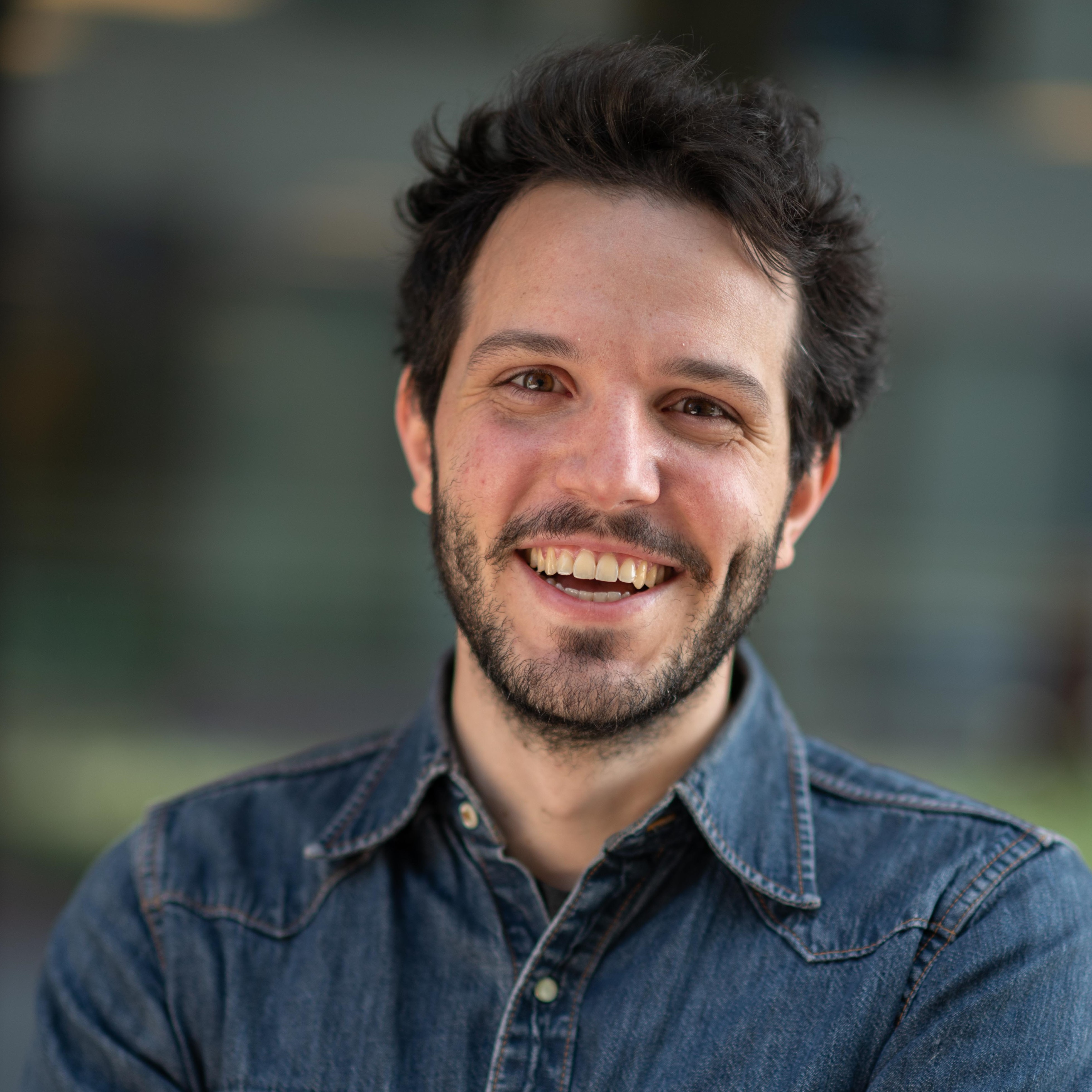
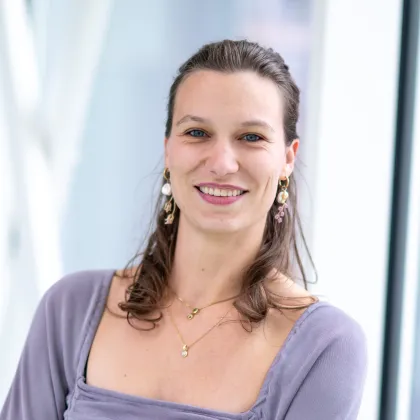
"Working at CCB formed me as a scientist and as a person. Every day I had the chance to interact with brilliant minds, learn new things, access the latest technologies and most importantly perform science with enthusiasm. I had access to the most interesting courses and I also got exposed to many realities outside academia that helped me make a choice regarding my future career. Last but not least, I made some good friends for life."
Dennis Pedri - Marine lab
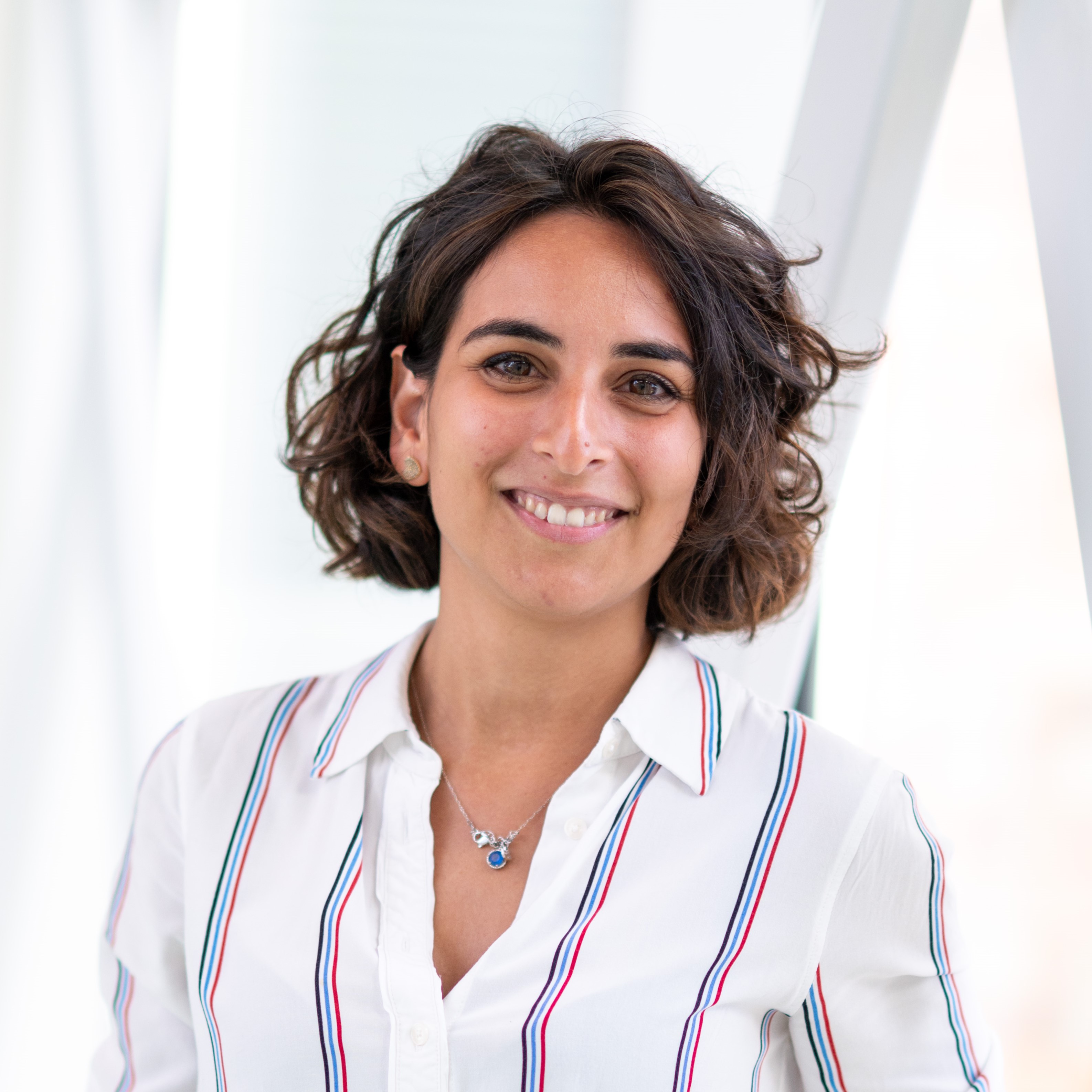
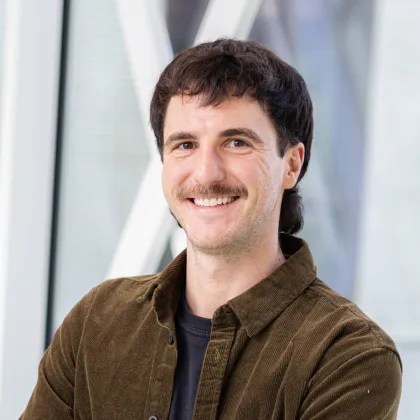
“Since the very beginning of my PhD at VIB-CCB I was involved in a lively, challenging, and extremely high-quality scientific environment. This inevitably pushed me to grow as scientist and now, still with a lot to achieve, looking back I can realize how far I got!
Of course, this couldn’t have been possible without - what in my opinion - is the greatest strength of the VIB-CCB: the multiplicity of expertise. Also, the close and informal interpersonal network among all the researchers of the institution makes extremely easy to get access to the different expertise and collaborations that can help your research.
But the PhD is not all about work! The PhD is a journey - a roller coaster one might say - and if you are lucky enough, as I was, you can meet wonderful colleagues that can come on board with you and that I’m sure will be life-time friends!”
Margherita Demicco - Fendt lab

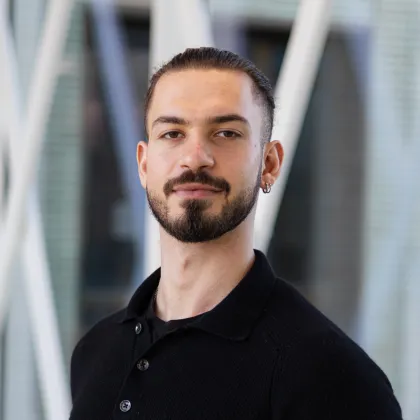
"Being a PhD student at CCB has taught me how to solve scientific problems and come up with the questions myself. I can always count on professional guidance and support from my supervisor as well as my colleagues. Throughout the whole PhD process I have access to the best technologies that enable me to conduct my research on the highest level. Moreover, at our institute I could always be up to date with the research papers and top scientists because of regularly organized seminars during which I could listen to their talks. Thanks to social events like Holiday party organized by the institute it is easy to get to know fellow PhD students within CCB and start a collaboration or exchange ideas what also help to understand your own project more.”
Marta Ciwinska - Scheele lab
PhD Association
PhD Association Chairs: Hasse Mol and Anke Vandekeere
A PhD is a wonderful journey and, as such, it is full of amazing people and experiences. However, the long and winding road towards graduation may hide unforeseen pitfalls. The PhD Association wants to create the ideal space for PhD students to support each other and to make their journey as smooth as possible.
The PhDA aims to foster interaction, collaborations and a sense of community. It also aims to provide resources for career and personal development and to represent the PhD students at executive level.
Any student of the Center is considered a member of the PhDA and is welcome to join its meetings, help with ongoing activities or suggest new ones.
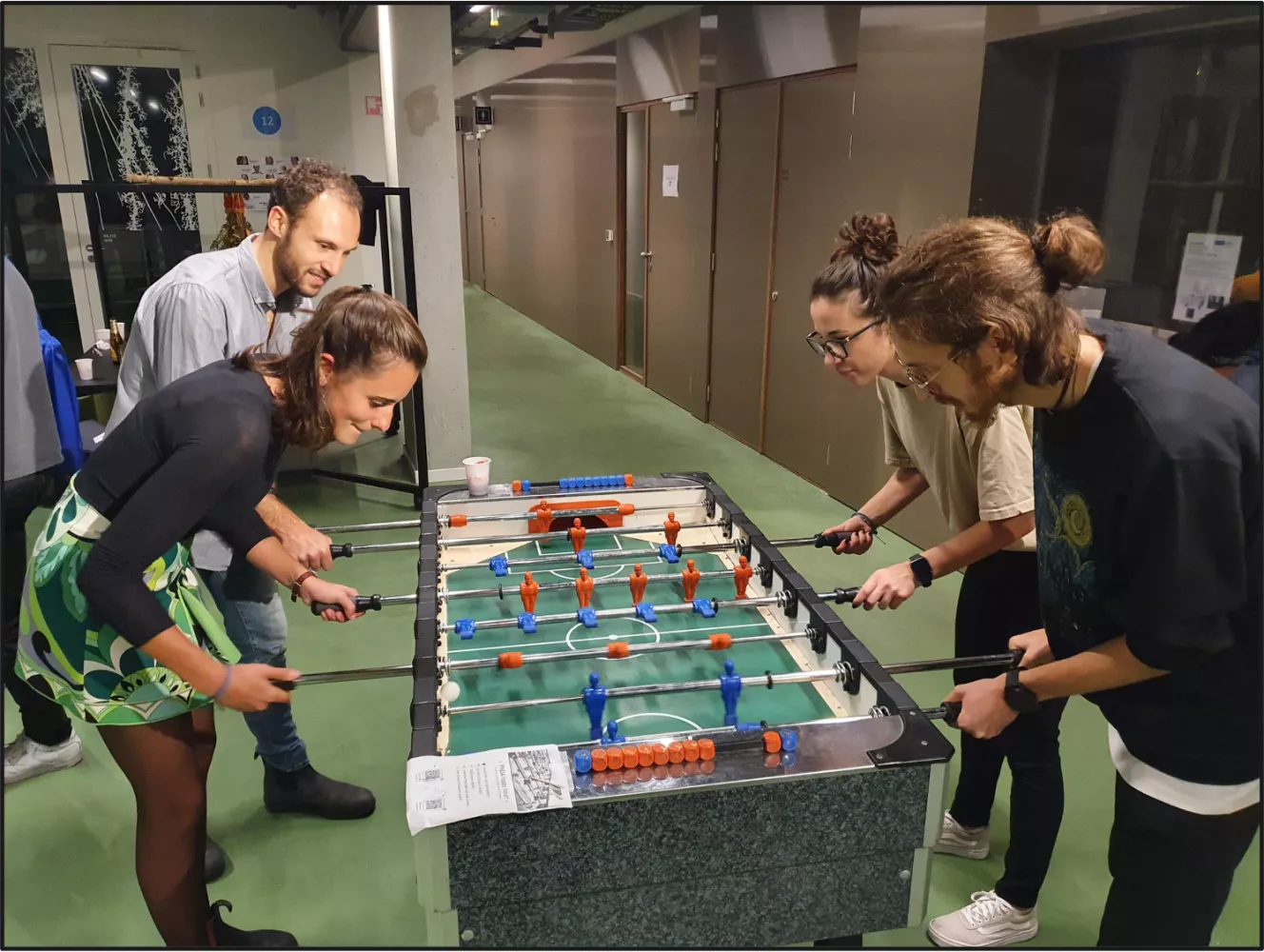
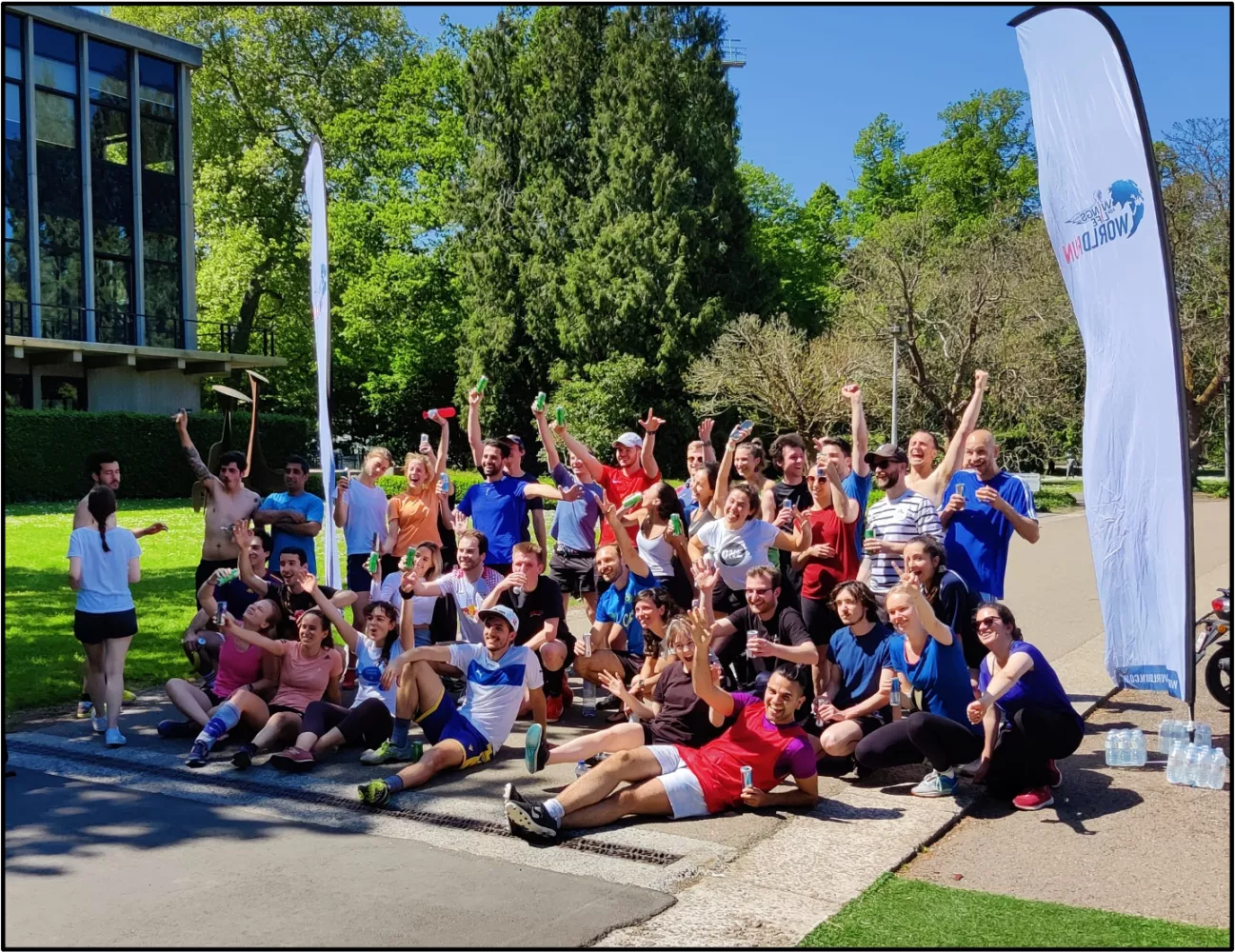
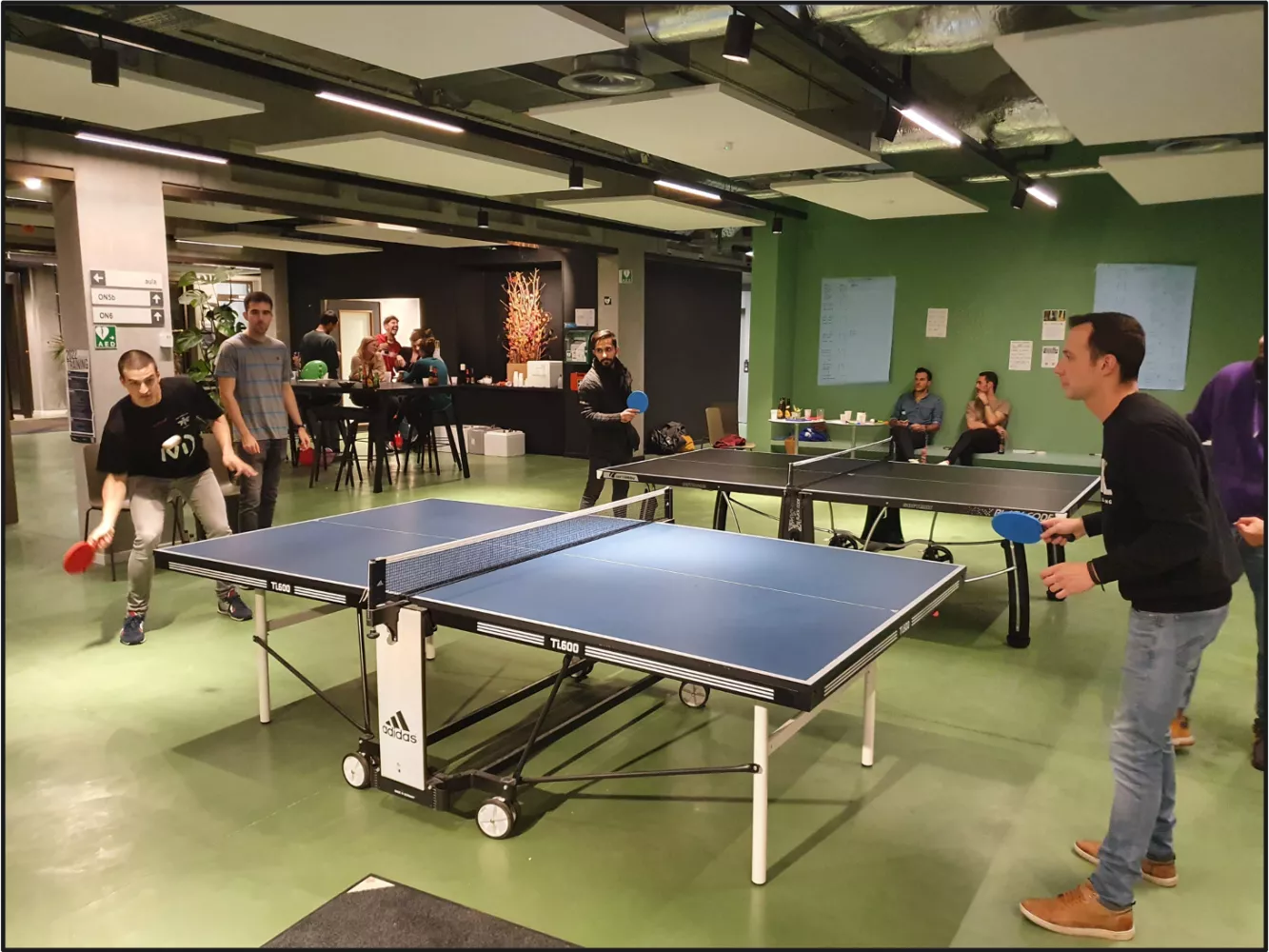
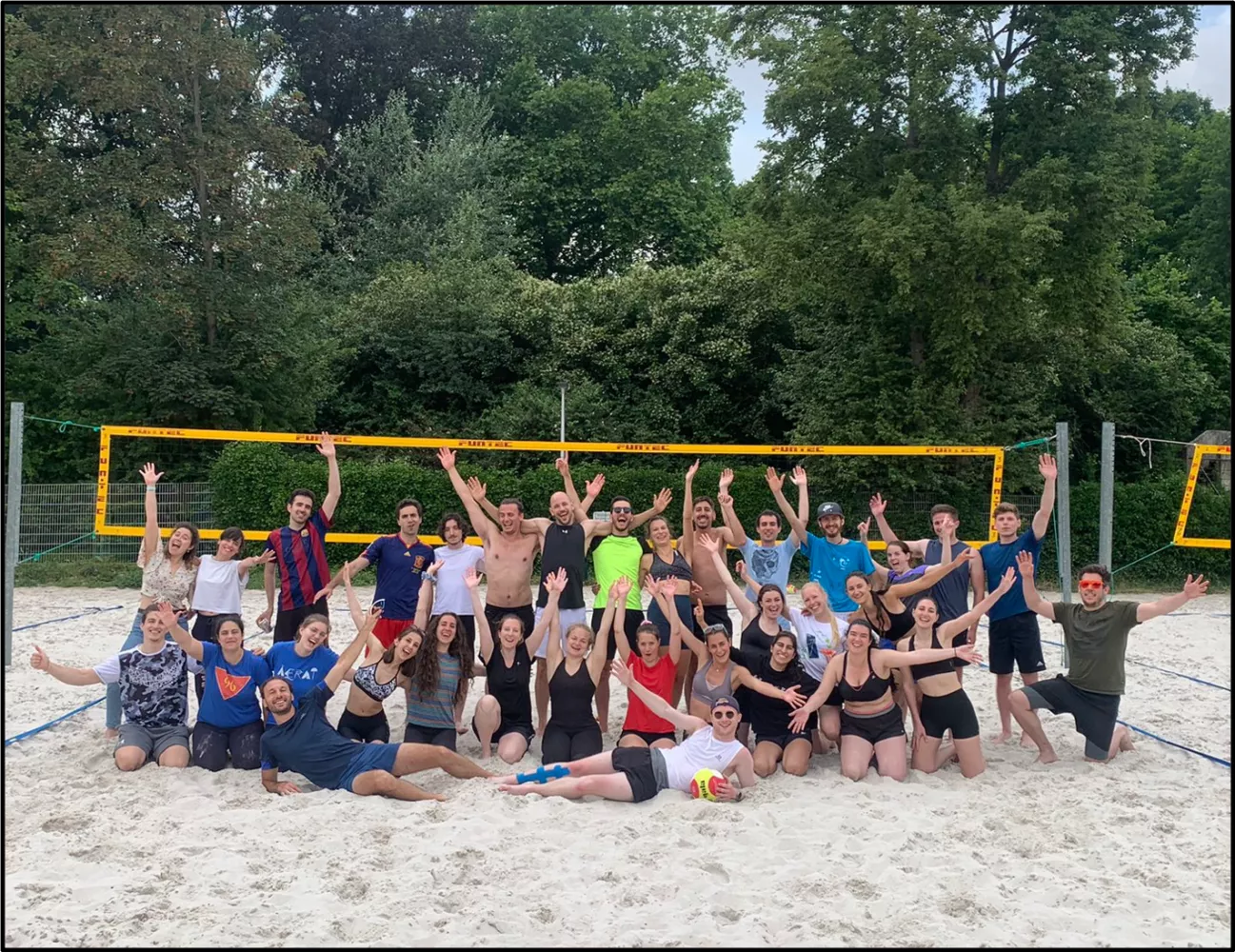
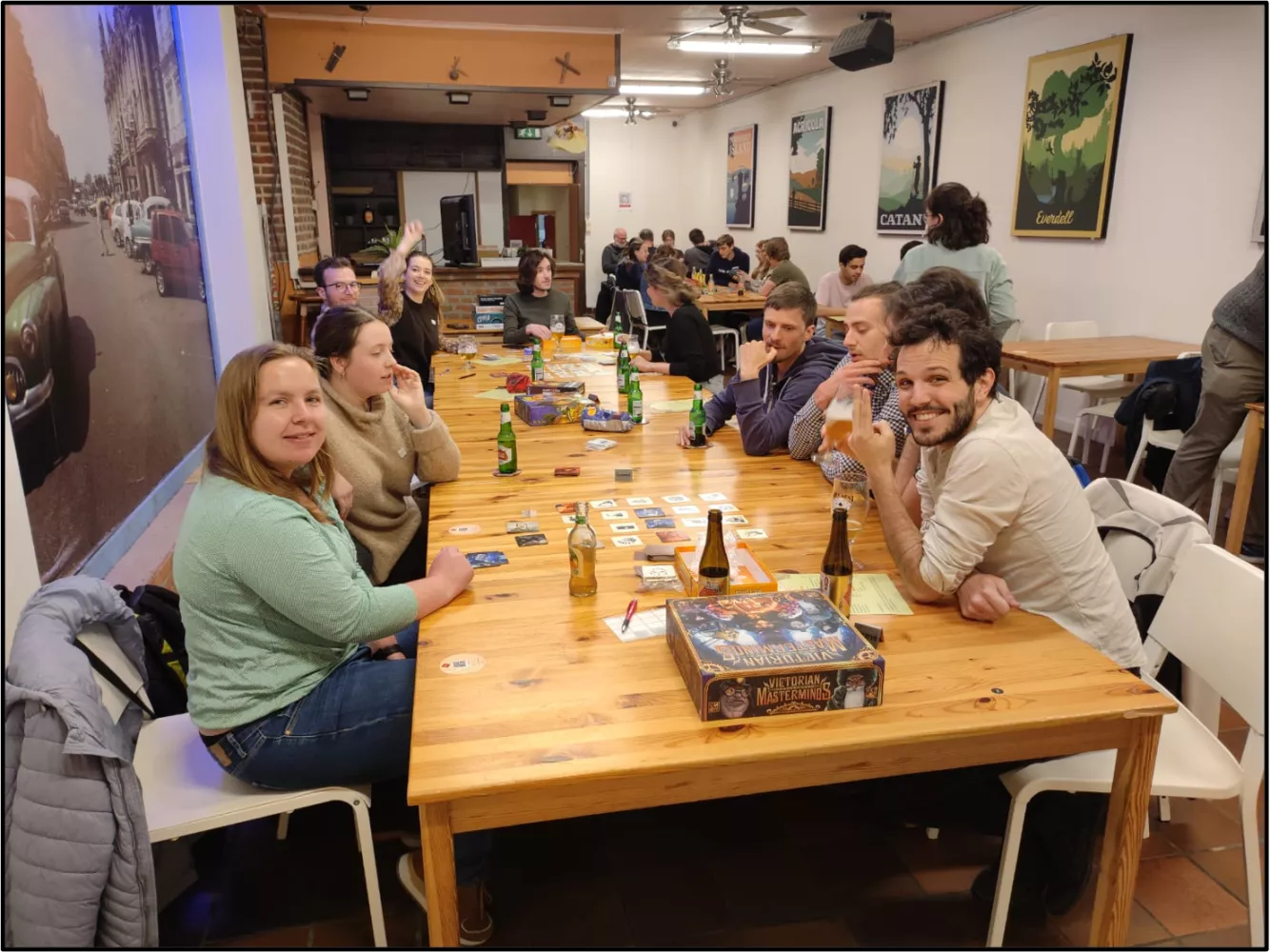
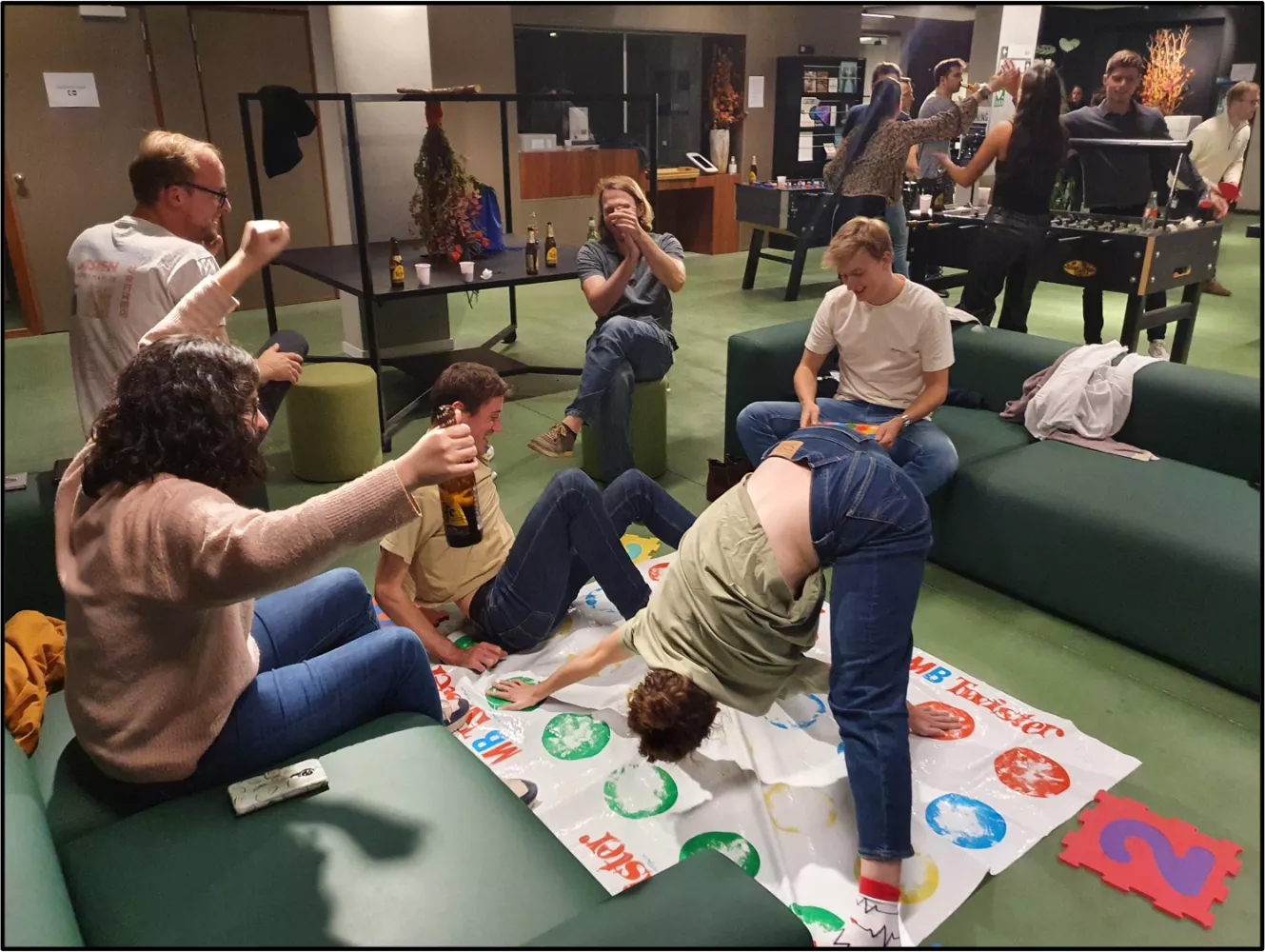
Next to educational purposes, the PhDA also organizes social activities for students to wind down after a hard day's work and get to know each other. A summer fest, game night or even salsa workshop: no idea is too crazy!
You can find more relevant information for PhD students on the internal VIB Knowledge Base - PhD Association.